Key takeaways
- A large share of ticket money goes back out as prizes.
- Retailers earn a commission on sales and winners.
- The remainder funds state programs, which differ from state to state.
The main parts
When you buy a ticket, the money is generally split into a few buckets. The exact split differs by state and by game.
- Prizes: often the largest share.
- Retailer commissions: stores earn a small percentage for selling tickets and cashing winners.
- Operating costs: running draws, equipment, advertising and staff.
- State programs: the money that goes to public causes.
Which programs benefit?
It depends on the state. Many direct lottery money toward education. Some use it for general funds, parks, conservation or support for older residents. Pennsylvania's lottery, for example, is known for funding programs for older people.
How to find your state's split
Most state lotteries publish annual reports on their websites showing how money was used.
Why it's good to know
Understanding where the money goes helps keep the lottery in perspective: it's a form of entertainment that also funds public programs, not an investment.
Apollo AI is designed to make the entertainment side more organized. Its charts and generator help you choose, while your budget stays the same.
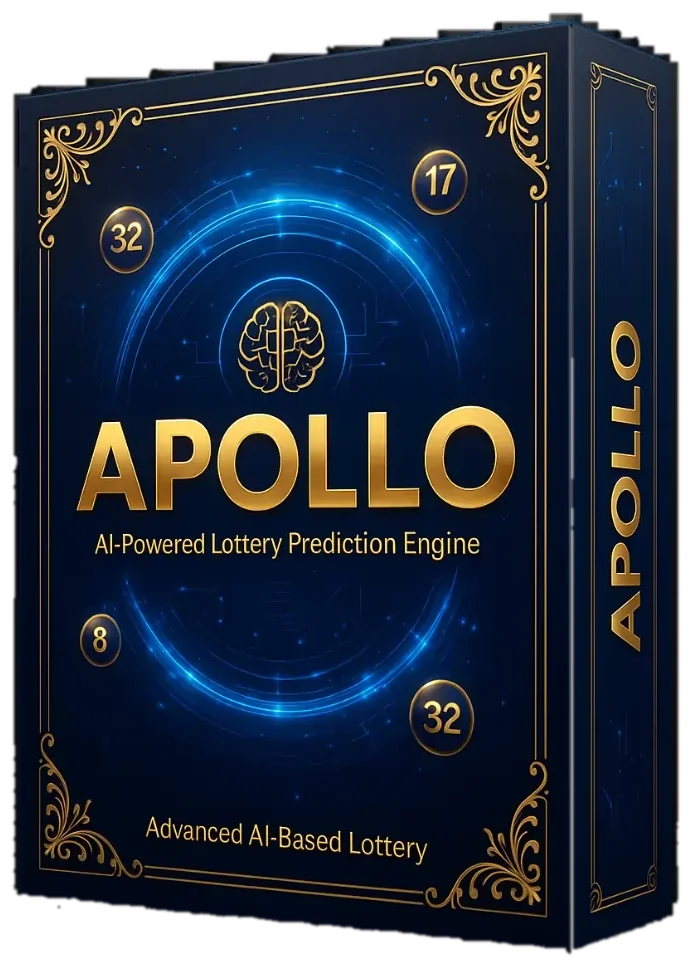
Apollo AI shows past draws as charts and builds a set in one click. $147 once, 14 days to decide.
Get Apollo AIGeneral information only. Lottery results are random.
More from the Journal
- Lottery Wheels Explained: What They Cost and What They Don't Do
- Prize Tiers: How Partial Matches Pay in Pick-5 Games
- The Lucky Store Myth: Why Some Shops Sell More Winners
- How to Check Your Lottery Tickets Correctly
- Draw Times and Routine: Fitting Lottery Play Into Your Day
- Gifting Lottery Tickets Responsibly
- Getting More From the Apollo AI Trend Line